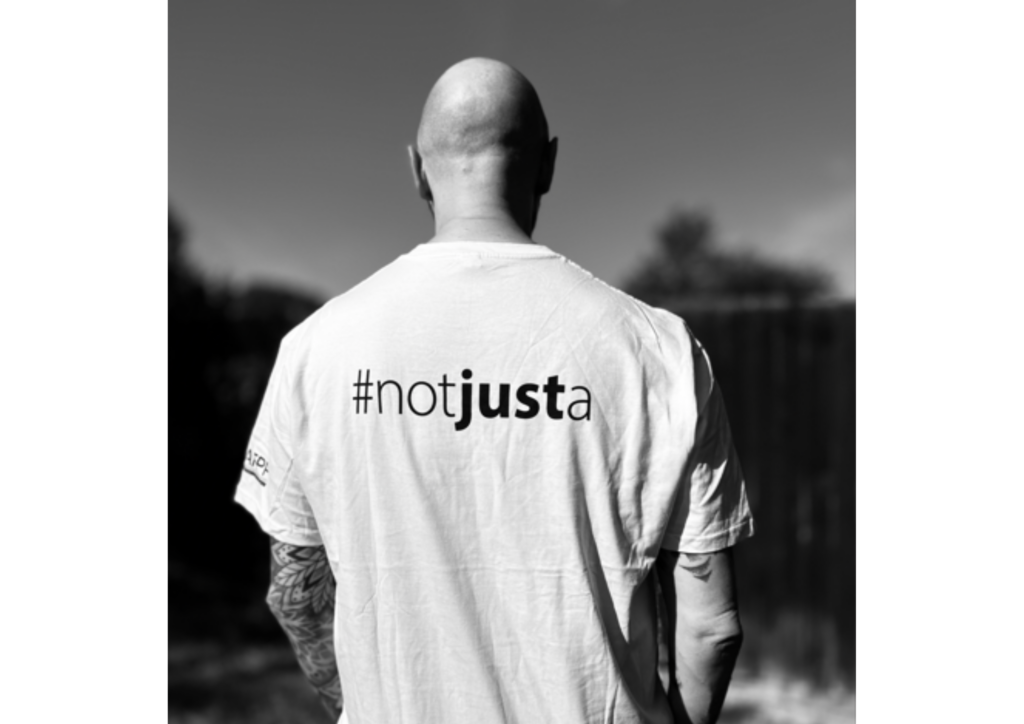
AfPP’s new #notjusta campaign was inspired by Beth’s story.
Beth was a little girl who was undergoing what, by the standards described in later evidence, should have been a straightforward, comparatively low risk operation (Bowen 2008). She should have returned safely to her family. Instead, Beth died in theatre.
Beth’s story forces us to confront uncomfortable but essential questions:
When a member of the perioperative team recognises a risk to a patient, do they feel able to speak up? And when they do, are they listened to?
Through conversations with perioperative professionals across the UK, we know many staff do not always feel able to raise concerns or challenge decisions in theatre. They do not feel able to stop a procedure when something does not feel right. Some describe fearing negative consequences or damaging relationships. Others tell us that when they do speak up, their concerns are dismissed or not always taken seriously.
Too often, people describe being viewed as “just a nurse”, “just an ODP”, “just a student”, “just a healthcare assistant” “just a porter”, “just an anaesthetist”, “just a doctor”.
#notjusta challenges that belief.
No one in the operating department is “just” a role. Every member of the perioperative team, regardless of title, band or professional background, plays an essential part in the operating theatre, contributing knowledge, expertise, situational awareness, professional judgement, technical knowledge and accountability for patient care.
Safety depends on every one of those voices being able to speak up, challenge concerns, and be heard.
The need for this campaign is clear. It exists because preventable harm and devastating consequences still occur in surgery, and because evidence, lived experience, and high-profile patient safety cases continue to show that communication failures, hierarchy, and a lack of psychological safety can prevent vital concerns from being heard when they matter most.
The well-known case of the medical student who recognised that the wrong kidney was about to be removed and was ignored (Davidson et al 2024) highlights what can happen when concerns are not acted upon. More than two decades after the death of Elaine Bromiley, her story remains one of the most powerful lessons in human factors, communication, fixation, and team dynamics (Clinical Human Factors Group n.d.) and a reminder that preventable harm can occur, even when highly skilled teams are present, if safety- critical information cannot move clearly and freely through the operating theatre.
Since the case of Elaine Bromiley, significant progress has been made and safety initiatives have strengthened perioperative practice by creating structured moments to identify risk, confirm safety and invite challenge. The introduction of safety briefings, checklists, team huddles, and structured opportunities to challenge decisions has undoubtedly improved patient safety. Yet preventable surgical harm continues to occur.
NHS England’s provisional Never Events data recorded 185 wrong-site surgery incidents between April 2024 and March 2025 (NHS England 2025), and the World Health Organization (WHO) reports that at least half of cases in which surgery results in harm are preventable (WHO n.d.). Recent evidence continues to identify communication failures, reduced situational awareness, fatigue, staffing pressures, and increasing workload (Parmar et al 2026) as contributing factors to Never Events.
These are not abstract risk factors; they are the realities faced by perioperative teams every day.
The healthcare workforce is working under immense pressure. Waiting lists remain high, resources are stretched, clinicians are being asked to do more with less, staff are tired and have less space to pause and reflect. In these environments, patient safety cannot rely on processes alone. Checklists, policies and procedures are vital, but they are only effective when supported by a culture where concerns can be raised without fear, hierarchy can be challenged when necessary, and every member of the team knows their voice matters.
That is why #notjusta is needed.
This campaign is about creating a culture where patient safety always comes before hierarchy, authority, speed, convenience, or list flow. A pause that delays a case may feel uncomfortable in the moment, but it could prevent serious harm or save a life.
Because safe surgery is never the responsibility of one profession. It is the responsibility of the whole team.
The #notjusta campaign aims to bring together everyone working across perioperative practice to recognise, celebrate, and value the role each person plays in protecting patients.
It is built on a simple but powerful truth:
You are not just a role.
And the person on the operating table is not just a patient.
The campaign is founded on three pillars:
• Awareness – shining a light on the cultural and human factors that influence safety in theatre.
• Advocacy – championing workplaces where every voice is valued, respected, and acted upon.
• Education – exploring the factors that shape patient safety, including communication, human factors, leadership, decision-making, hierarchy, psychological safety, and the confidence to challenge, to equip professionals with the knowledge, confidence, and skills to recognise and respond to risk.
But real change cannot come from AfPP alone.
Creating safer surgery requires collective action from the entire perioperative community. Every conversation started, every experience shared, and every concern raised contributes to a stronger culture of safety for the next patient.
Join the movement. Start the conversation in your workplace. Share your story. Use #notjusta to show why every voice matters in safer surgery.
Because together we run the operation.
Together we create safer surgery.
Get in touch here to find out more, request a poster to display in your workplace and, if you are an AfPP member, to register for the #notjusta education modules.